Knowledge Base




This page is being updated to bring you new and improved content.
Resource Center
Explore application notes, blogs, brochures, product guides, and practical insights to help you understand technologies, compare solutions, and make informed decisions.
Type keywords such as SEM, AFM, XRF, Thermal Analysis, Elemental Analysis, Plant Physiology, Chromatography, Jet Fuel, Water Quality, Ovens, Freezers, etc.


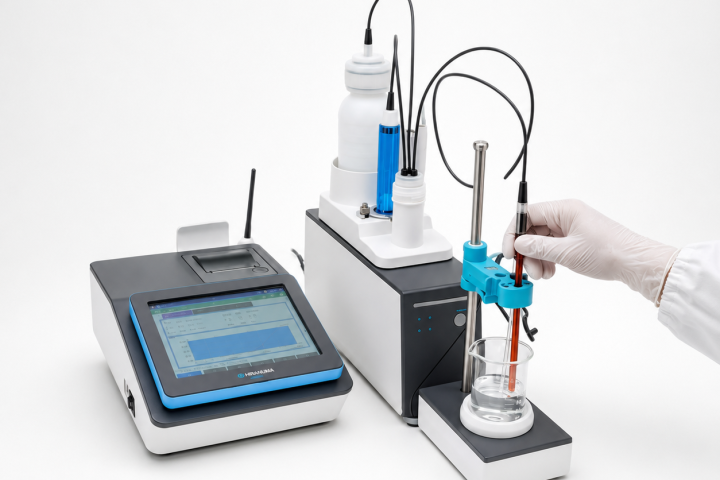
How Automatic Titration Improves Accuracy and Efficiency in Chemical Analysis
Automatic titration has become an essential analytical technique for laboratories seeking accurate, repeatable, and efficient chemical analysis. From pharmaceutical quality control and food safety to environmental monitoring and petrochemical testing, automated titrators help reduce human error, improve productivity, and ensure consistent results.
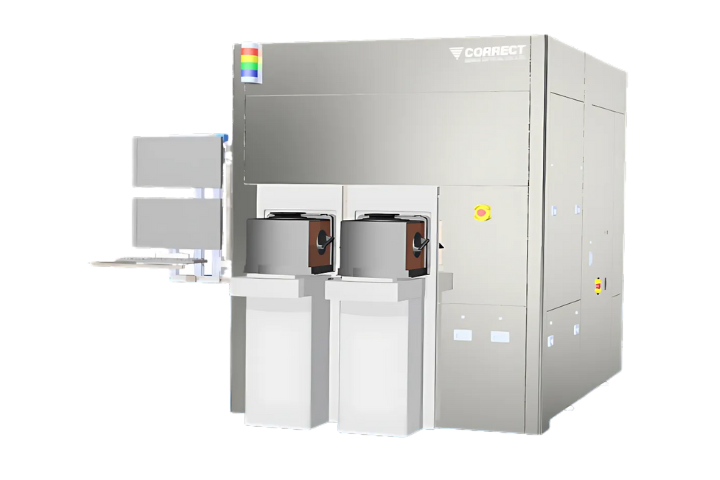
Why Automated Wafer Defect Review Is Essential for Semiconductor Manufacturing
Modern semiconductor manufacturing requires fast and accurate defect inspection to maintain high production yields and product reliability. Automated wafer defect review systems enable engineers to quickly verify defects detected by Automated Optical Inspection (AOI) systems, reducing manual inspection time while improving defect classification and process optimization. Learn how the Seiwa Optical Semiconductor Auto Review System streamlines semiconductor inspection workflows through high-speed optical imaging and automated review capabilities.
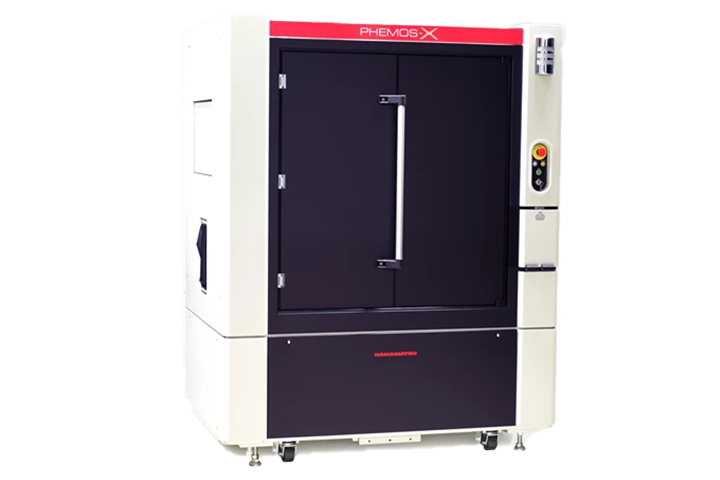
Why Semiconductor Failure Analysis Is Critical for Modern Electronics Manufacturing
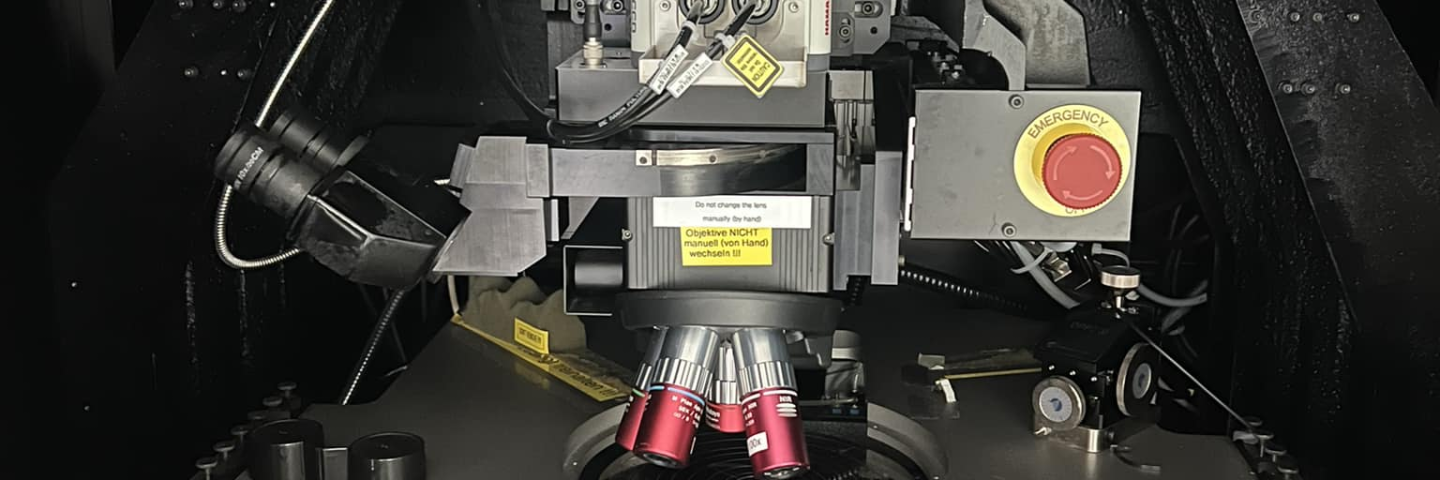
Semiconductor devices become smaller and more complex, identifying hidden electrical defects has become increasingly challenging. Semiconductor failure analysis helps engineers locate the root causes of device failures, improve manufacturing yields, and enhance product reliability. Discover how emission microscopy systems such as the Hamamatsu PHEMOS-X enable fast, non-destructive defect localization for semiconductor research and production.
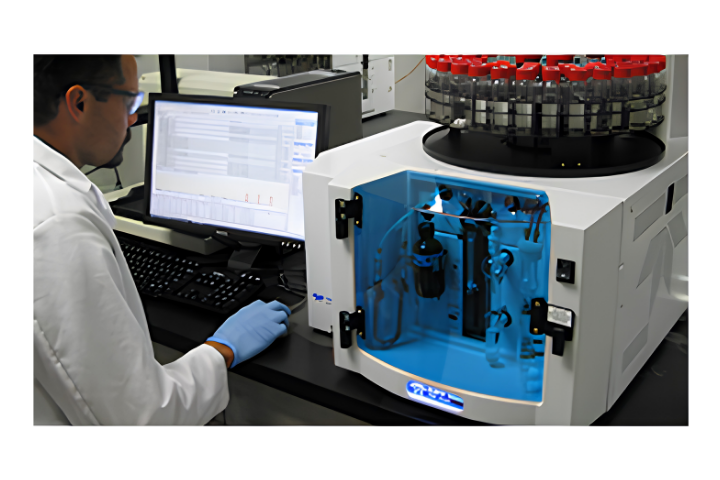
Our experts are here to help.
More resources are on the way. In the meantime, our team is happy to help with your questions.