Introduction
Fuel quality plays a critical role in the reliability, safety, and efficiency of modern transportation and industrial systems. Whether powering commercial aircraft, heavy-duty diesel engines, power generation equipment, or marine vessels, fuels must meet strict performance standards before they reach end users. Even slight variations in fuel properties can affect engine performance, emissions, storage stability, and operational safety.
As the energy industry evolves, laboratories face increasing demands to analyze not only conventional diesel and jet fuels but also renewable diesel (HVO), biodiesel blends, and Sustainable Aviation Fuel (SAF). These alternative fuels introduce new testing requirements while maintaining compliance with internationally recognized standards such as ASTM specifications.
Traditionally, evaluating a single fuel sample required multiple laboratory instruments, each dedicated to measuring a specific property such as cloud point, pour point, viscosity, density, or freeze point. While effective, this approach often increases testing time, requires more laboratory space, and adds complexity to laboratory workflows.
To address these challenges, fuel testing laboratories are adopting integrated analytical solutions that combine multiple measurements into one automated system. The PAC IFA-70Xe Integrated Fuel Analyzer represents this next generation of laboratory technology by enabling several critical fuel property tests within a single platform. By reducing manual handling and improving workflow efficiency, integrated fuel analysis helps laboratories deliver accurate, repeatable, and standards-compliant results while increasing productivity.
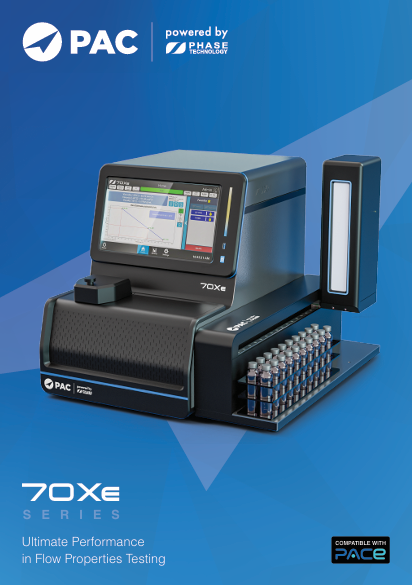
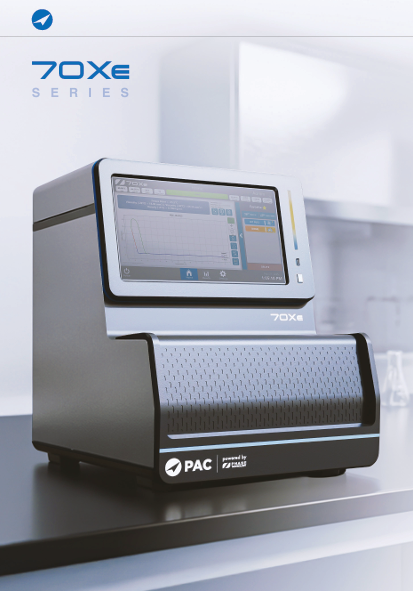
The PAC IFA-70Xe combines multiple fuel property measurements into one integrated analyzer, helping laboratories streamline testing workflows while maintaining high analytical accuracy.
Why Modern Fuel Testing Is Becoming More Complex
Fuel quality testing today extends far beyond verifying whether a fuel can power an engine. Laboratories must evaluate multiple physical properties that influence how fuel behaves during storage, transportation, and operation under different environmental conditions.
For diesel fuel, cold weather performance is particularly important. Properties such as cloud point and pour point determine whether wax crystals begin forming at low temperatures, potentially restricting fuel flow through filters and pipelines. For aviation fuels, freeze point testing is essential because aircraft operate at extremely low temperatures where fuel must remain fluid to ensure safe engine operation.
Viscosity also plays a vital role in fuel performance. Fuels that are too viscous may not atomize properly during combustion, while fuels with excessively low viscosity may provide inadequate lubrication for engine components. Density measurements are equally important because fuel density affects combustion characteristics, energy content, and regulatory compliance.
As renewable fuels become increasingly common, laboratories are expected to evaluate a broader range of fuel formulations while maintaining the same high level of analytical precision. This growing complexity requires laboratory equipment capable of performing multiple standardized tests efficiently without compromising accuracy.
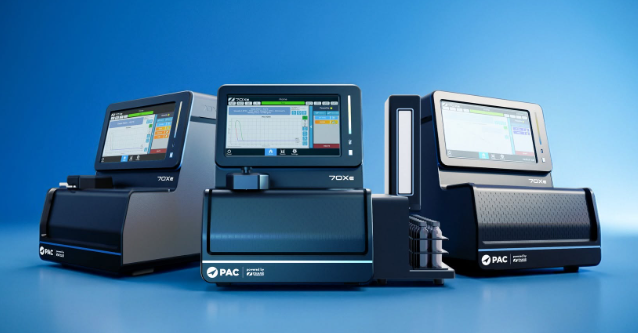
PAC. (2026). 70Xe Series: Ultimate performance in flow properties testing