Have you ever noticed that some metal objects rust quickly while others stay intact for years?
Rust happens when iron reacts with oxygen and water, but the speed of corrosion can vary. The type of metal, its surroundings, and whether it has a protective coating can all make a difference. That is why understanding a material’s composition is important when studying corrosion.
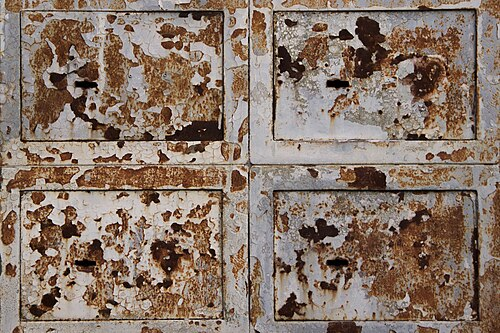
Rust develops when iron reacts
with its surrounding environment.
What Makes Metal Rust?
When iron or steel is exposed to moisture and oxygen, a chemical reaction begins at the surface. Over time, corrosion products build up and form the reddish-brown material we recognize as rust. The environment can speed up this process. Moisture, salt, humidity, and certain chemicals can make corrosion happen faster. This is why metal exposed to rain or salty air may deteriorate more quickly than metal kept in a dry environment.
Does the Material Itself Matter?
Different metals and alloys have different chemical compositions. Even two pieces of metal that look almost identical can contain different elements and behave differently when exposed to the environment. Scientists can analyze these elements to better understand a material and determine whether its composition is suitable for a particular application.
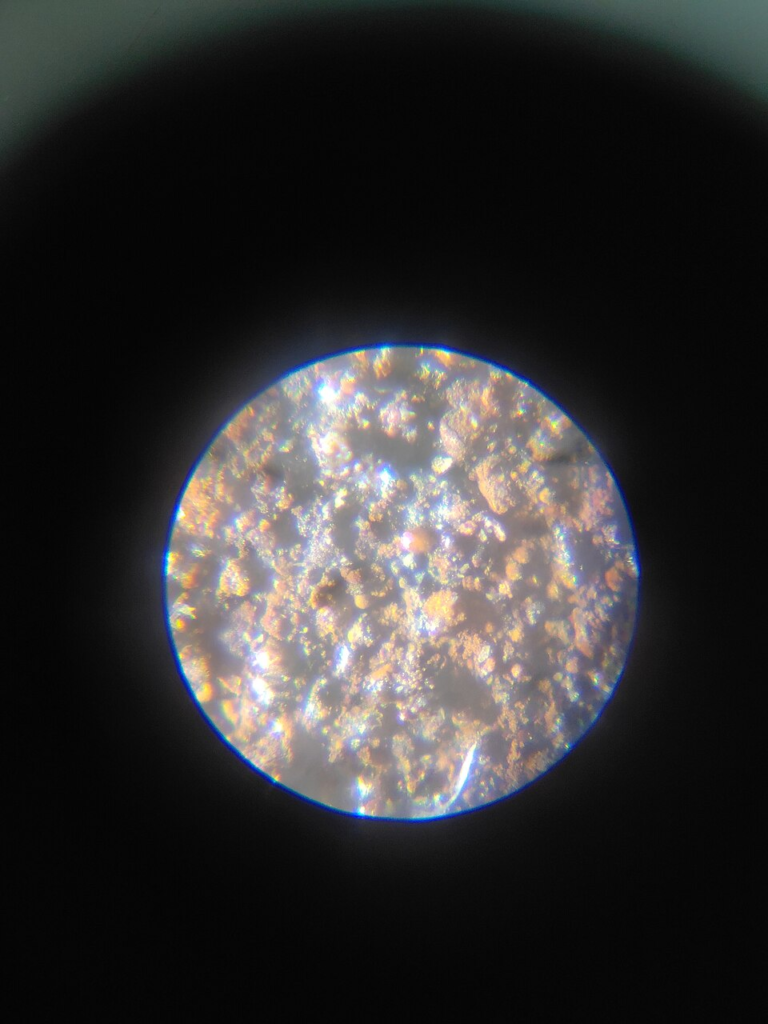
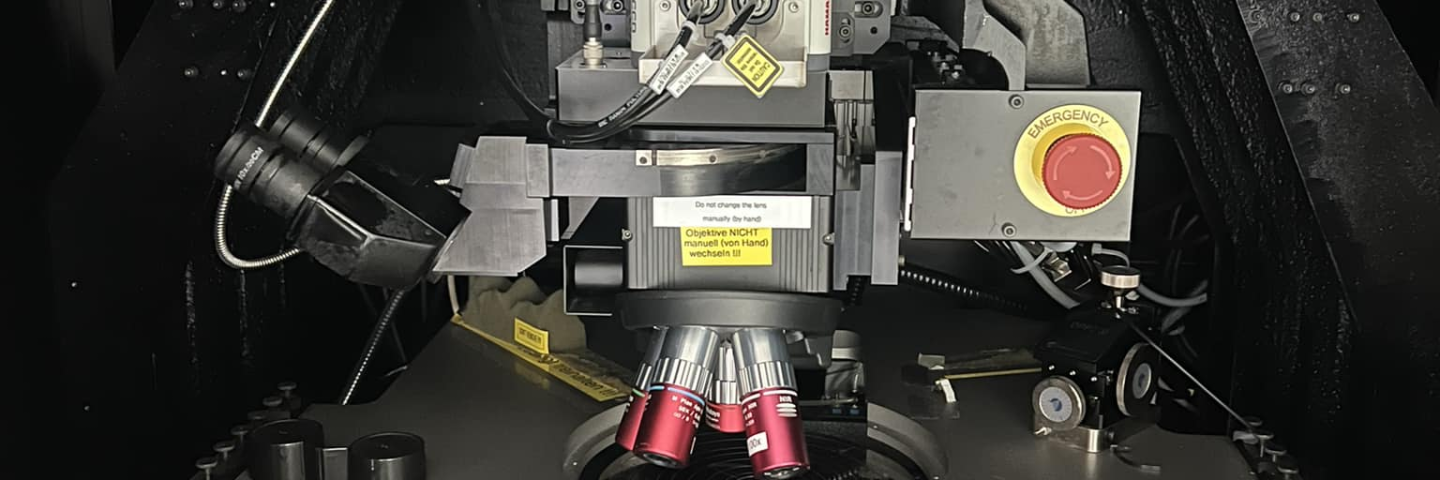
A microscopic view reveals changes taking place on a corroded metal surface.
Can Coatings Help Prevent Rust?
One common way to protect metal is by adding a protective coating. The coating creates a barrier between the metal and its environment. However, the coating’s composition and thickness can affect how well it performs. For example, steel can be protected with zinc-based coatings designed to reduce corrosion. Checking the coating helps manufacturers make sure the material meets the required specifications.
How Do Scientists Check a Material?
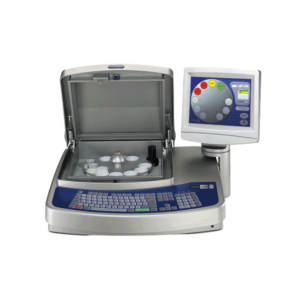
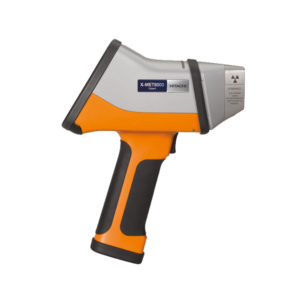
One technique used for this is X-ray fluorescence (XRF). XRF allows scientists to determine which elements are present in a material. It can also be used to analyze certain coatings and measure their thickness.
For corrosion-related applications, this information can help answer simple but important questions:
- What is the material made of?
- What elements are in the coating?
- Is the coating thick enough?
- Does the material meet its specifications?
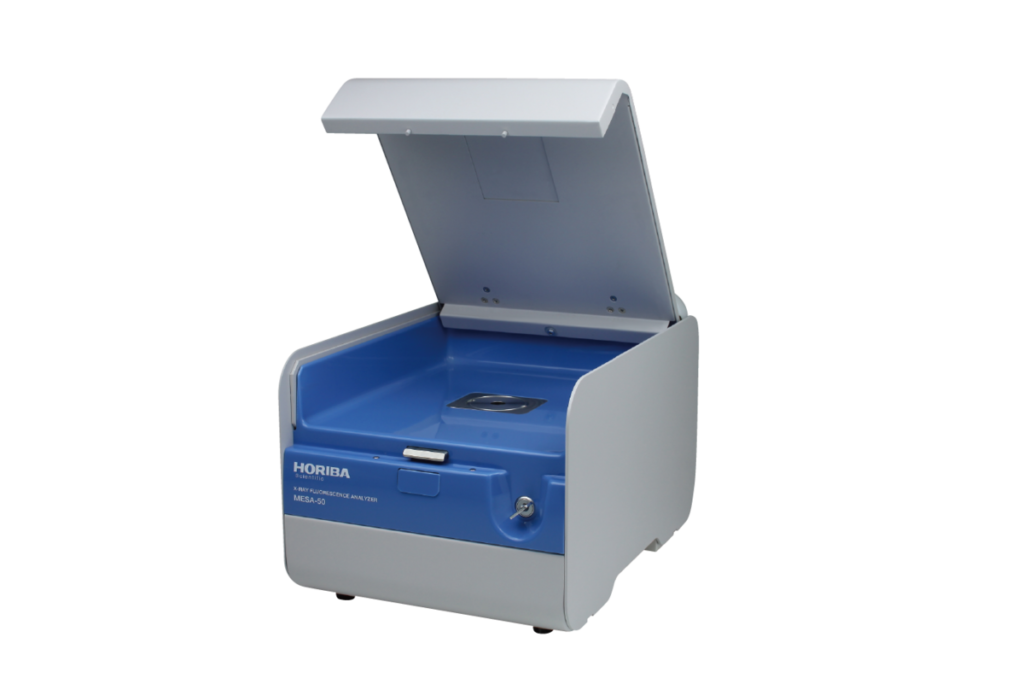
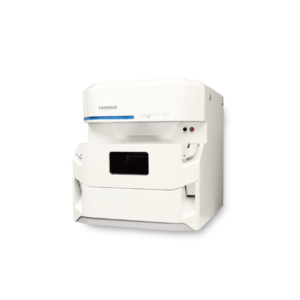
The HORIBA MESA-50 uses X-ray fluorescence for elemental and coating analysis.
The HORIBA MESA-50, available through Sigmatech Inc., is designed for applications including material analysis and coating thickness measurements.
Why Does Corrosion Testing Matter?
Rust may seem like a small cosmetic problem, but corrosion can eventually affect the strength, reliability, and lifespan of metal components. By analyzing materials and their protective coatings, manufacturers can better understand how metals behave and check whether they are suitable for their intended use. So, while rust may start with a simple reaction between metal, water, and oxygen, understanding why it happens can require careful scientific analysis. Some materials rust faster because corrosion depends on more than just exposure to water.
Material composition, environmental conditions, and protective coatings can all influence how quickly corrosion develops. With analytical techniques such as XRF, scientists and manufacturers can look beyond the visible rust and learn more about the material underneath.
HORIBA. (n.d.). Corrosion analysis. HORIBA Corrosion Analysis
HORIBA. (n.d.). MESA-50 X-ray fluorescence analyzer. HORIBA MESA-50
HORIBA. (n.d.). Non-destructive thickness and composition analysis of coatings on steel using MESA-50. HORIBA MESA-50 Application Note