Particle size distribution is one of the most important physical properties measured in laboratories and manufacturing facilities. Whether producing pharmaceuticals, food products, battery materials, ceramics, or chemicals, understanding particle size helps manufacturers ensure product consistency, optimize production processes, and maintain quality standards.
Even small changes in particle size can significantly affect a material’s behavior, including its flowability, dissolution rate, stability, and overall performance. For this reason, particle size analysis has become an essential part of research, quality control, and product development across many industries.
What Is Particle Size Distribution?
Particle size distribution refers to the range and proportion of particle sizes present in a material sample. Instead of measuring a single particle, laboratories analyze thousands of particles to understand how sizes are distributed throughout the sample.
Accurate particle size information helps researchers evaluate material characteristics and identify variations that may impact product quality. This data is commonly used during product development, raw material inspection, and routine quality assurance testing.
Why Is Particle Size Important?
The size of particles directly influences the performance of many products.
- Pharmaceuticals: Particle size affects how quickly a medicine dissolves and is absorbed by the body.
- Food and beverages: Consistent particle size contributes to texture, taste, and product stability.
- Battery materials: Uniform particles improve energy storage performance and manufacturing consistency.
- Ceramics and advanced materials: Particle size influences strength, density, and surface finish.
- Chemicals and pigments: Proper particle distribution ensures better mixing, coating, and product appearance.
Because of these impacts, manufacturers rely on particle size analysis to improve product quality and reduce production variability.
How the HORIBA Partica LA-970 Supports Particle Size Analysis
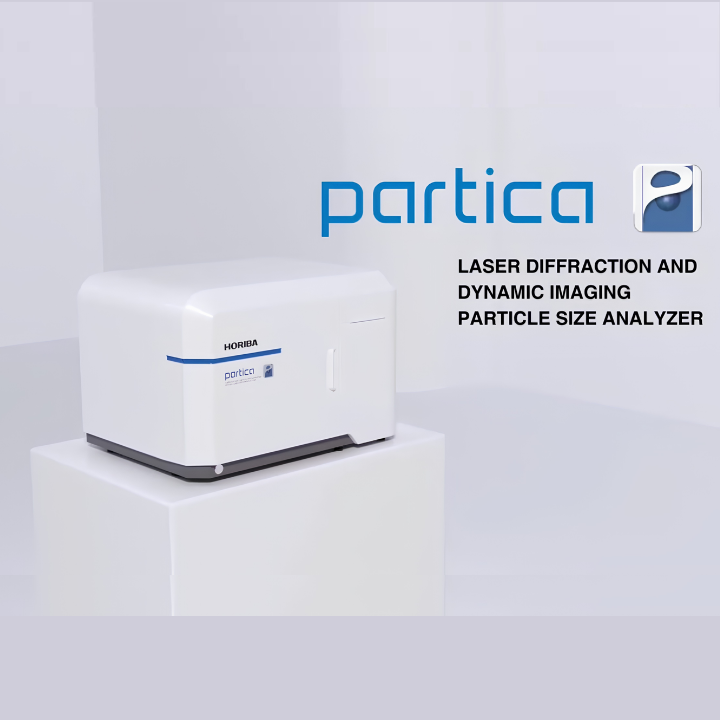
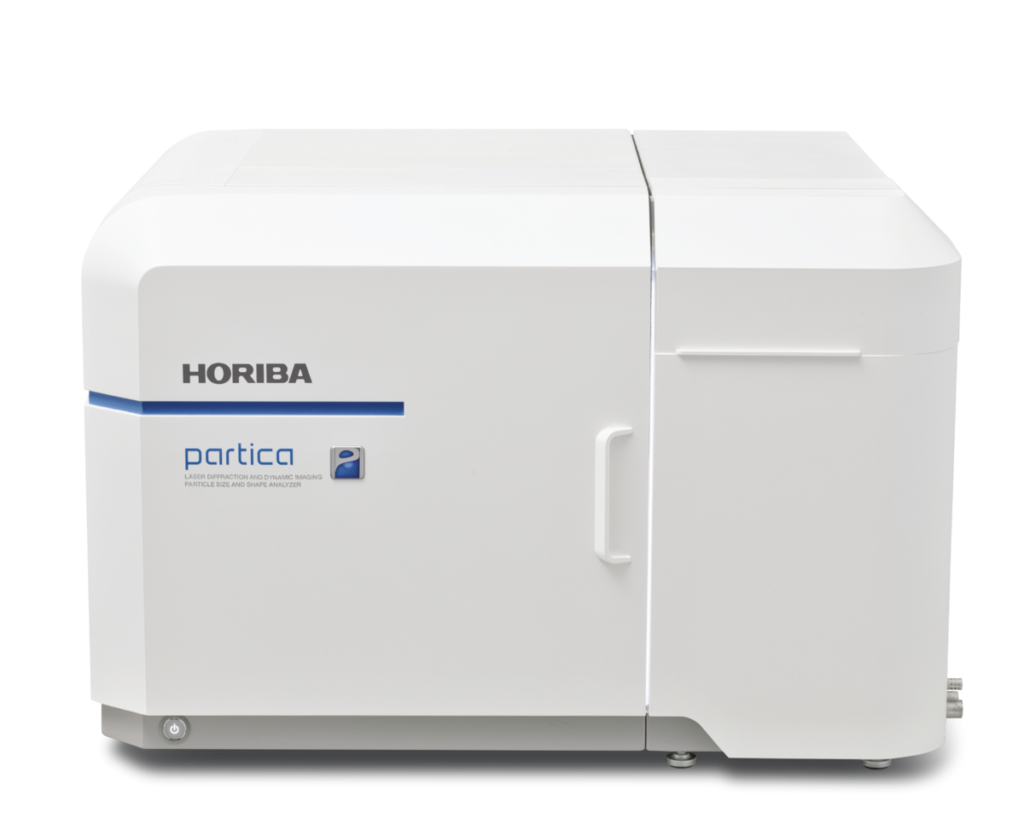
The HORIBA Partica LA-970 is a laser diffraction particle size analyzer designed to deliver fast, accurate, and repeatable measurements across a wide particle size range. Using advanced laser diffraction technology, it measures particle size distributions for both wet and dry samples, making it suitable for a broad range of laboratory applications.
Its user-friendly software, automated measurement capabilities, and high reproducibility help laboratories streamline workflows while maintaining reliable analytical results. These features make the Partica LA-970 a valuable tool for research institutions, quality control laboratories, and industrial manufacturing environments.
Applications Across Different Industries
Particle size analysis using instruments like the HORIBA Partica LA-970 supports many industries, including:
- Pharmaceutical research and manufacturing
- Food and beverage production
- Battery and energy materials
- Chemical manufacturing
- Ceramics and advanced materials
- Mining and mineral processing
- Academic and government research laboratories
By providing precise particle size measurements, laboratories can make informed decisions that improve product performance, process efficiency, and quality assurance.
HORIBA Scientific. (n.d.). Partica LA-970 laser diffraction particle size analyzer. HORIBA. https://www.horiba.com/int/scientific/products/particle-characterization/laser-diffraction-particle-size-analyzers/la-970/
HORIBA Scientific. (n.d.). Particle characterization product downloads. HORIBA. https://www.horiba.com/int/scientific/products/particle-characterization/download-center/